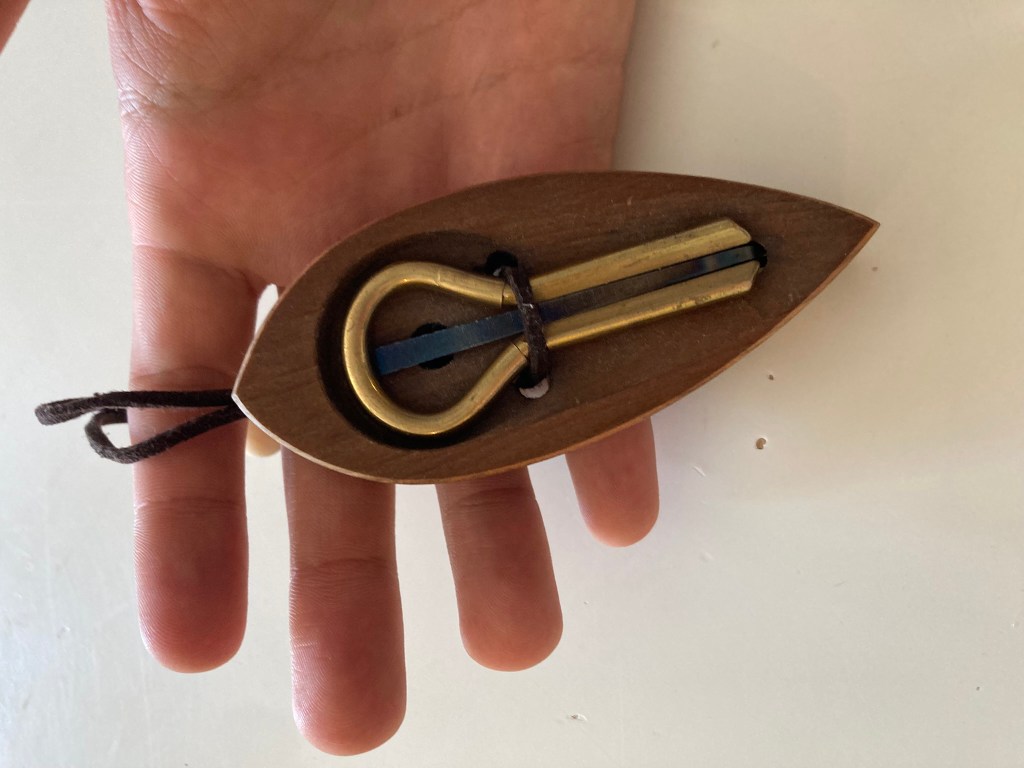
The jaw harp is an ancient instrument, dating back at least 1,700 years, known worldwide by over 1,100 names, playing an important role in many cultures and deeply influencing American folk music traditions in Appalachia during the 1800s.
Origins and Cultural Reach
The jaw harp, also called the mouth harp, is one of the oldest musical instruments, with archaeological evidence suggesting its use dates back nearly two millennia. It is found in an astonishing range of cultures across the globe—from Siberia to Italy and Vietnam to many regions in between—showcasing its universal appeal and adaptability. The huge variety of names (more than 1,100) reflects the instrument’s widespread and diverse cultural significance. Here is a list of names, not exhaustive, but including many different cultural names:
Common English names:
- Jew’s harp: This is the most widely used name historically in English. Its origin is debated and is not related to the Jewish people.
- Juice harp: An American colloquialism that may have developed from “Jew’s harp”.
- Ozark harp: Another regional American name.
- Trump: One of the oldest names in English, historically used in Scotland and northern England.
- Gewgaw: An older English term.
- Guimbard: A name sometimes used in English, from the French word for the instrument.
International and cultural names:
- Ağız kopuzu: Turkish for the instrument.
- Angkuoch: Cambodian bamboo jaw harp.
- Dan moi: Traditional Vietnamese jaw harp, often made of brass.
- Doromb: Hungarian for the instrument, stemming from a word that means “vibrate”.
- Guimbarde: The French word for the instrument.
- Khomus: Used in the Sakha-Yakutia region of Siberia, where it has cultural significance.
- Koukin: The Japanese name for the instrument.
- Kubing: A bamboo jaw harp from the Philippines.
- Marranzanu: The Sicilian name.
- Maultrommel: German for “mouth drum”.
- Morchang / Morsing: Indian names for a type of jaw harp, used in Carnatic and Rajasthani folk music.
- Mukkuri: A traditional Ainu (Japan) bamboo jaw harp.
- Murchunga / Binayo: Used in Nepal.
- Munnharpe: The name in Norway.
- Scacciapensieri: Italian for the instrument.
- Temir komuz: Iron jaw harp from Kyrgyzstan.
- Vargan: The Russian name.
Typically made of metal or bamboo shaped into a flexible tongue attached to a frame, the player holds the frame to their mouth and plucks the tongue. The mouth acts as a resonating chamber, and changing the shape and size of the oral cavity produces different overtones and rhythms. This simple yet versatile method enables a rich palette of sounds despite its minimal design.
Historical Role in American Music
The jaw harp gained prominence in 19th-century Appalachia, becoming a favored accompaniment to more prominent string instruments like the fiddle and later the banjo. It contributed distinctive rhythmic and melodic textures that became embedded in the emerging styles of American folk, bluegrass, and country music. The sound and techniques of the jaw harp helped shape many musical traditions in the region and continue to influence genres derived from Appalachian roots.
Legacy and Influence
Beyond Appalachia, the jaw harp remains popular in folk and traditional music worldwide. Its portability and evocative sound make it a cultural emblem connecting ancient practices with contemporary music scenes. The jaw harp serves as a sonic bridge, linking global musical heritages and American roots, demonstrating the power of simple instruments in shaping complex musical identities.
The jaw harp’s enduring presence over centuries is a testament to its unique sound and cultural resonance, allowing it to continue thriving in traditional and modern contexts alike.
 Bluegrass, Banjos, and Banter
Leave a comment