Something I’ve noticed about American music is that, as a genre becomes more and more popular, the instrumentation becomes more standardized and rigid. One example is bluegrass bands; why exactly are the banjo, fiddle, guitar, mandolin, and bass considered to be the only bluegrass instruments? Why that combination, and not other instruments like drums? This combination sounded most effective to Bill Monroe, and once bluegrass became a popular genre, the instrumentation and style were standardized. In reality, banjoists are not confined to bluegrass, nor is bluegrass confined to its set repertoire; just look at Bela Fleck or Earl Scruggs, who played with King Curtis the saxophonist. New styles may start out with whatever instrumentation sounds best, but eventually either become fixed or leave out more esoteric instruments.
However, percussion seems to be a different matter. Even in symphonic bands and orchestras, where the instrumentation is very much settled, weird and obscure percussion instruments are common. This is true of my high school percussion section; while it’s true that there are standardized instruments like keyboards, snares, bass drums, and chimes, the auxiliary instruments can be completely wild. Esoteric, obscure instruments like vibraslaps, flexitones, crotales dipped in water, marching machines, books, wine glasses trash cans, and whirly tubes have all been used. It seems that winds play on their specified instruments, while the percussion section gets to use whatever creativity they have to make interesting sounds.
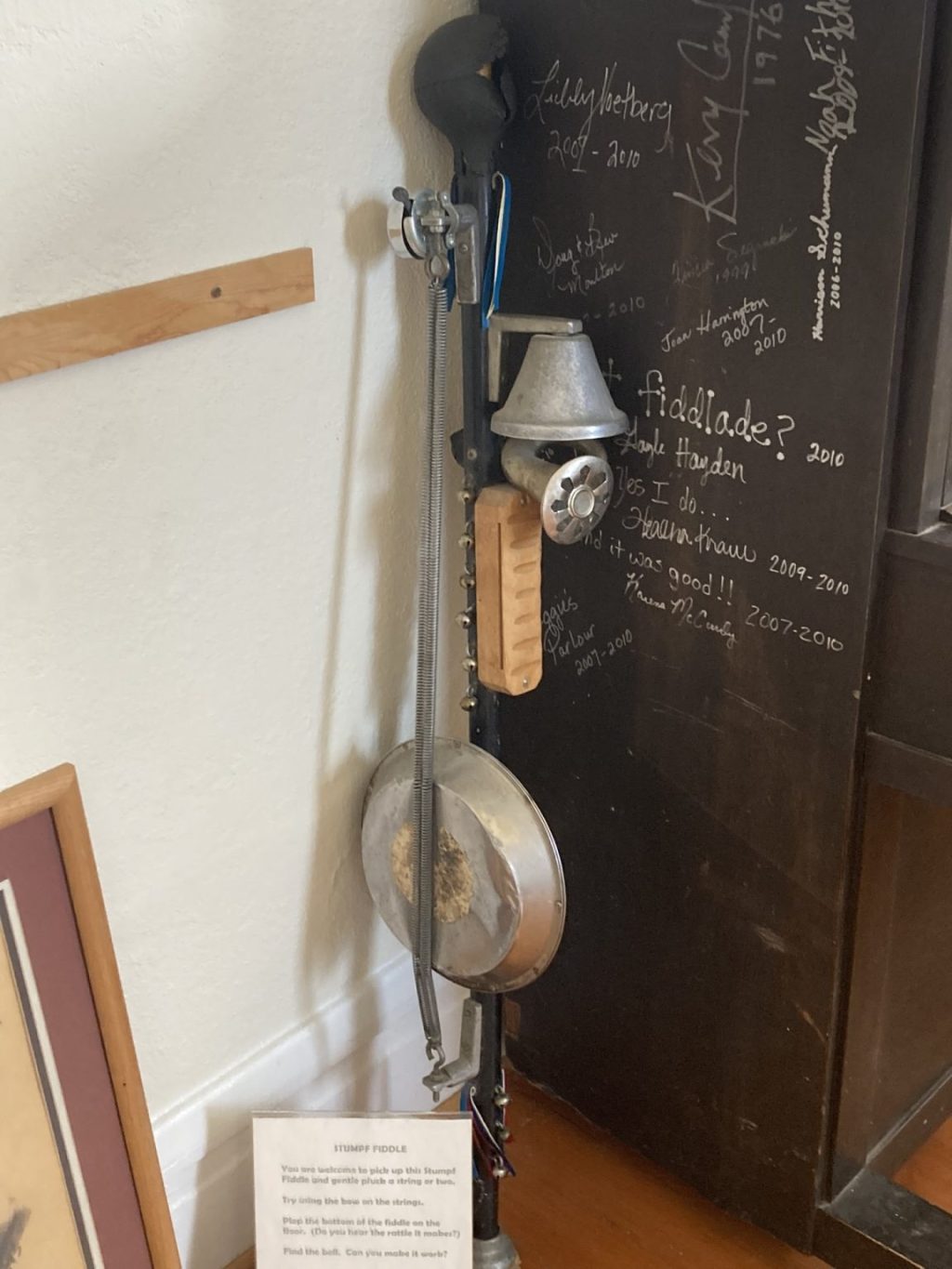
There also exist many odd, niche percussion instruments in American folk music, jazz, and bluegrass. Percussion doesn’t require special, hard-to-make wind or string instruments, so it makes sense that people would craft homemade percussion instruments more often than other types. One example is the washboard. Originally used to clean clothing, they can be repurposed with finger picks to be played like a percussion instrument. Their rhythmic accompaniment is very unique, and a surprising amount of creativity can be used when playing different rhythms and styles. Spoons are another common object repurposed as percussion. Talented spoons players can be mind-blowingly impressive, and spoons is not particularly common due to its quiet sound and difficulty to master. One other percussion instrument, one of my personal favorites, is the stumpf fiddle. A homemade instrument, this is a long staff with a steel plate or drum near the bottom, springs fastened vertically across its length, tamborines or sleigh bells attached, and a variety of other auxiliary instruments like cowbells attached to the sides. This instrument is likely unpopular because of its impracticality; to play it, one has to hold the shaft and stamp it up and down in rhythm, while using a stick in the other hand to play auxiliary sounds. Only having one hand free to play with a stick means faster, complex rhythms are harder to play. Though many percussion instruments have limited utility, their accessibility and niche utility means that, for some, they can be the perfect way to contribute to making music in a group.
 Bluegrass, Banjos, and Banter
Leave a comment